
I Will Take You As My Own: The Promise of the Fourth Cup
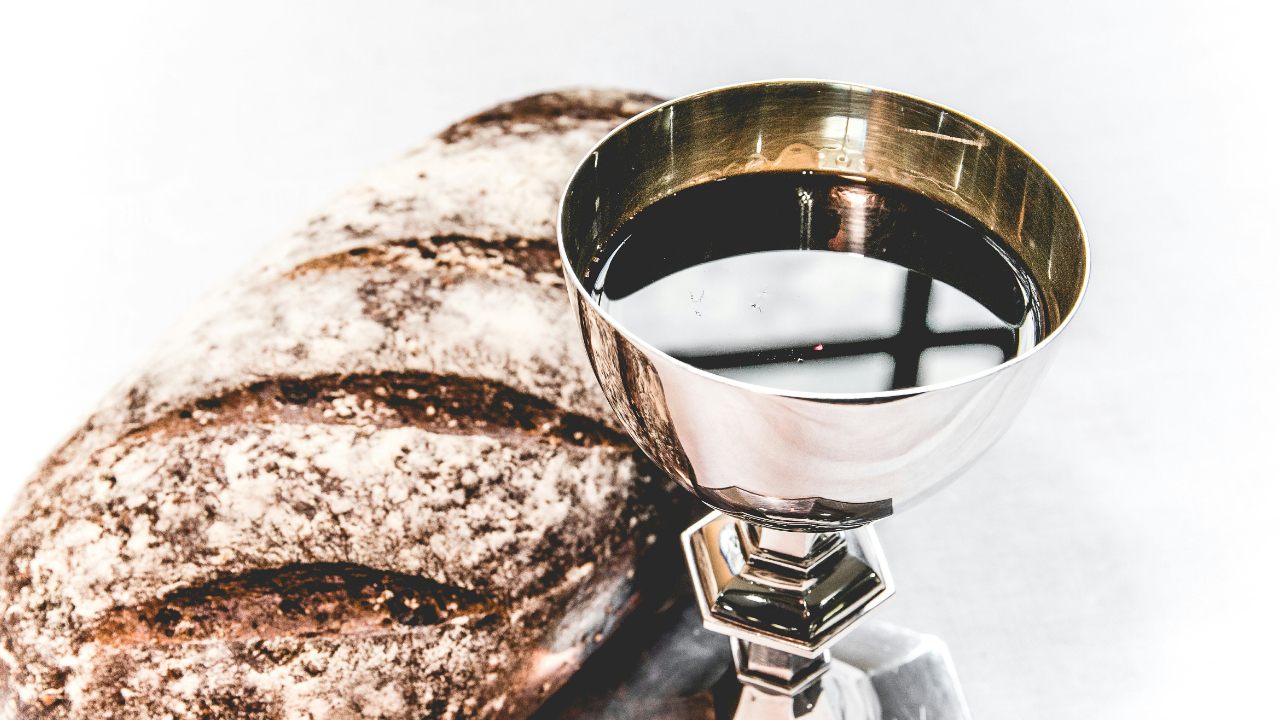
I Will Take You As My Own: The Promise of the Fourth Cup
In the past several articles, we have been exploring the four cups of wine that form the basis of the Jewish Passover meal. Each cup corresponds to one of the promises God spoke to Israel in Exodus 6 as He prepared to deliver them from slavery in Egypt.
The Lord declared:
“I will bring you out… I will deliver you… I will redeem you… and I will take you as My people.”
In the first article, we considered the Cup of Sanctification and the promise that God would bring His people out of Egypt. The second cup—the Cup of Deliverance—accompanies the retelling of the Exodus story, reminding Israel of how God rescued them from bondage.
In the previous article, we examined the third cup, known as the Cup of Redemption. We saw how redemption involves a price paid and how the blood of Christ accomplished a greater redemption than silver or gold ever could.
Now we arrive at the fourth and final cup of the Passover celebration.
This cup corresponds to the final promise God spoke in Exodus 6:
“I will take you as My people, and I will be your God.”
If the first three cups celebrate God’s actions in rescuing Israel from slavery, the fourth cup celebrates the relationship that follows. God did not merely deliver Israel from Egypt; He brought them into covenant fellowship with Himself.
I have mentioned several times that the Last Supper Jesus had with His disciples was a Passover meal. Yet as often as I have meditated on this passage while writing these articles, there was a detail that I had missed until now.
A Curious Detail in Luke’s Account
When most people picture the Last Supper Jesus shared with His disciples, the scene feels familiar. Jesus breaks the bread, He lifts the cup, and He speaks the words that Christians still repeat today during Communion.
But Luke’s account of the meal contains an interesting detail. Luke mentions not four cups, but only two.
In Luke 22:17, we read:
“And he took a cup, and when he had given thanks he said, ‘Take this, and divide it among yourselves.’”
Then, a few moments later, Luke records another cup:
“And likewise the cup after they had eaten, saying, ‘This cup that is poured out for you is the new covenant in my blood.’”
(Luke 22:20)
One cup appears before the meal. Another appears after the meal.
That second cup—the one lifted “after they had eaten”—is the moment when Jesus declares the new covenant in His blood.
In the previous article, we saw that this phrase likely refers to the third cup of the Passover meal, the Cup of Redemption. When Jesus lifted that cup, He revealed that His own blood would accomplish the redemption it symbolized.
But something is missing from Luke’s account.
If the traditional structure of the Passover meal included four cups, and Luke only records two of them, then what happened to the fourth cup?
The Meal That Was Not Finished
Luke preserves another statement from Jesus that helps explain the mystery. Just before the meal begins, Jesus says to His disciples:
“For I tell you that from now on I will not drink of the fruit of the vine until the kingdom of God comes.”
(Luke 22:18)
These words suggest that Jesus deliberately chose not to complete the meal in the usual way.
If the cup after the meal corresponds to the third cup—the Cup of Redemption—then the final cup of the Passover celebration was never taken.
Jesus did not simply overlook it. He postponed it. In effect, the meal was left unfinished.
Jesus spoke of a day in the future when He would once again drink the fruit of the vine—but that moment would not occur until the kingdom of God arrives.
The Banquet Yet to Come
This promise fits within a theme that appears frequently in the Old Testament prophets. The coming kingdom of God was often described as a great banquet where the Lord would gather His people.
One of the clearest examples appears in Isaiah’s prophecy:
“On this mountain the Lord of hosts will make for all peoples a feast of rich food, a feast of well-aged wine.”
(Isaiah 25:6)
Jewish readers in the centuries before Jesus commonly associated passages like this with the arrival of the Messiah. The age to come would not only bring restoration and justice—it would also bring celebration.
God’s people would sit at the table with Him.
In that light, the Last Supper may very well be more than just a meal that was paused. It might indicate when and how that meal would be concluded.
The bread was broken. The cup of redemption was lifted. But that fourth and final cup awaits the day when the kingdom of God arrives in its fullness.
The Meaning of the Fourth Cup for Believers
For centuries, the fourth cup of the Passover celebration reminded Israel that God had taken them as His own people. The Exodus did not simply free them from slavery; it established a relationship with the God who had redeemed them.
When Jesus shared the Passover meal with His disciples, He pointed beyond that moment to a future table in the kingdom of God.
And since it was with the third cup of wine, the “cup after the meal” that Jesus established the practice of communion that we still celebrate today, then communion also carries two directions of meaning for the believer.
It looks backward to the sacrifice of Christ that secured our redemption. But it also looks forward to the day when redemption will be fully realized.
Each time believers gather at the Lord’s Table, we remember what Christ has done. And we also anticipate what is still to come.
The meal that began in the upper room has not yet reached its final course.
One day, when the kingdom of God is revealed in its fullness, the celebration will continue—and the table will be complete.
